Feature · Forma
2025 Wrapped: diet and health trends that dominated this year
Protein, keto, OMAD, Mediterranean, DASH and more: which of this year’s diet trends are worth following, and which are just fads.
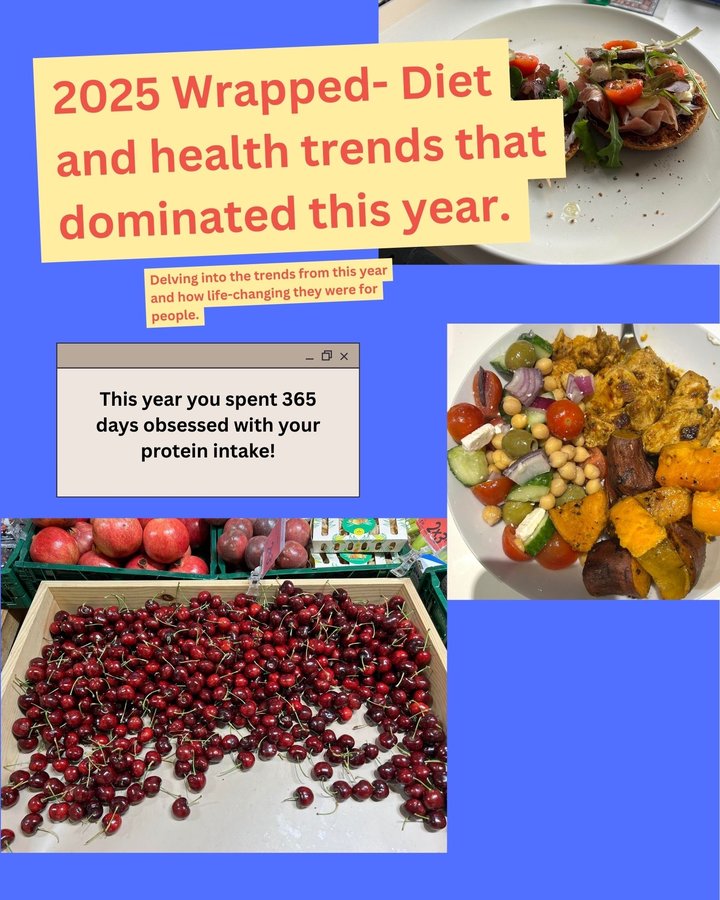
People have started to notice the importance of eating clean and prioritising their wellbeing, and dieting trends have been around for a while now. It can be hard to decipher what is a game-changer for your diet, and what is a health fad these days. Let's delve into the trends from this year and how life-changing they were for people.
High-Protein Diets/ Keto
'Protein' seems to have been the key words planted all over social media. Supermarkets have now created designated protein sections, and everyone has gone nuts over the protein intake in their diet.
In case you didn't already know, protein is key for recovery- mainly tissue repair and muscle growth.
However, a key issue I noticed, was the ignorance of other food groups, notably carbohydrates.
Here's a fun fact for you, carbohydrates are ESSENTIAL, cutting them out completely (like in a keto diet) is tailored for extreme fat loss, and if you do not incorporate the sufficient amount of fruits and vegetables, can lead to deficiencies, which open a whole whirlwind of symptoms, such as: fatigue, irritability, and headaches.
Social media posts have instilled fear into people, where they have villainised carbohydrates in their diets.
Despite this, it has been interesting to see how people have been incorporating protein in new recipes, particularly in desserts, lowering the fat content of sweet treats.
Sirtfood Diet
The Sirtfood diet is a prioritisation of plant based foods containing foods rich in natural compounds called polyphenols that activate sirtuins- a class of proteins in your body.
'Sirtfoods' include kale, arugula, strawberries, walnuts, parsley, extra virgin olive oil, dark chocolate (75%) and green tea.
The diet is said to cause fat-loss and reduce diseases. It is advertised to activate the 'skinny gene'
There is still calorie restriction, but it claims to maintain muscle mass. When your body is energy deprived, it uses up its emergency energy stores, or glycogen, in addition to burning fat and muscle.
There isn't enough proof thus far, to legitimise this diet, however celebrities like Adele have been rumoured to follow the diet with incredible results.
OMAD
OMAD stands for 'one meal a day', and is form of extreme intermittent fasting.
People who follow the OMAD diet fast for 23 hours and eat their entire calorie in a 1-2 hour window.
Many people do lose a lot of weight on the OMAD diet, however this diet comes with many side-effects:
- Significant decrease in energy levels
- Inability to concentrate
- Headaches and dizziness
- Abnormal drops in sugar levels- causing shakiness
- Fainting
- Insomnia
- Nausea
One 2024 study found that people who followed a time-restricted eating pattern were 91% more likely to die of cardiovascular disease (if they had underlying health conditions) than those who followed a standard eating schedule.
It is no surprise, that this diet is 100% not recommended to anyone, and it shocks me to think that this diet gained popularity as it had devastating effects to people's mind and body health.
Mediterranean diet
A Mediterranean diet prioritises 'whole foods'. It is based on the traditional eating habits of countries bordering the Mediterranean Sea, such as Greece, Italy and Spain.
The diet consists of eating whole fruit and vegetables, whole grains, healthy fats, lean proteins, legumes, dairy and herbs and spices (in comparison to using salt).
Most 'healthy' recipes tend to be Mediterranean inspired, with meals such as Greek yoghurt bowls, quinoa salads, salmon, and fresh fruit and nut salads.
Health benefits are endless, with improvements in cardiovascular health, weight management and improved mental health.
This diet is not restrictive at all, and only promotes changing your diet and incorporating real food.
DASH
The DASH diet is an abbreviation for 'Dietary Approaches to Stop Hypertension'.
Hypertension is another word for high blood pressure, which can be caused by poor diet.
The aim is to cut salt and increase nutrients, such as fibre, potassium and calcium that naturally lower your blood pressure.
Studies that the diet was linked to a 20 per cent lower risk of cardiovascular disease, such as heart attack, stroke or coronary heart disease.
The DASH diet is more structured than the Mediterranean diet, with a specific number of servings of each food group.
MIND diet
The MIND diet is a combination of the Mediterranean diet and the DASH diet. MIND stands for “Mediterranean-DASH Intervention for Neurodegenerative Delay.”
The researchers who came up with the diet were prioritising the improvement of brain function and prevent dementia.
The diet encourages the consumption of berries, but not all fruit in general. This is because berries have the most supportive in improving brain function.
The diet consists of mostly leafy greens and fruits/vegetables, whole grains, beans, nuts, fish and poultry.
This diet is the least restrictive and is just a basic outline of foods to prioritise for your mind health.