Trend feature · Forma
The most athletic generation: why Gen Z are prioritising fitness more than ever
Why young people in the UK are putting strength and endurance first, and the pressure social media adds along the way.

2026 has become the year of fitness for the younger generation, marking a significant shift in lifestyle habits among young adults. Across the UK, Gen Z are leading a cultural move towards strength and endurance.
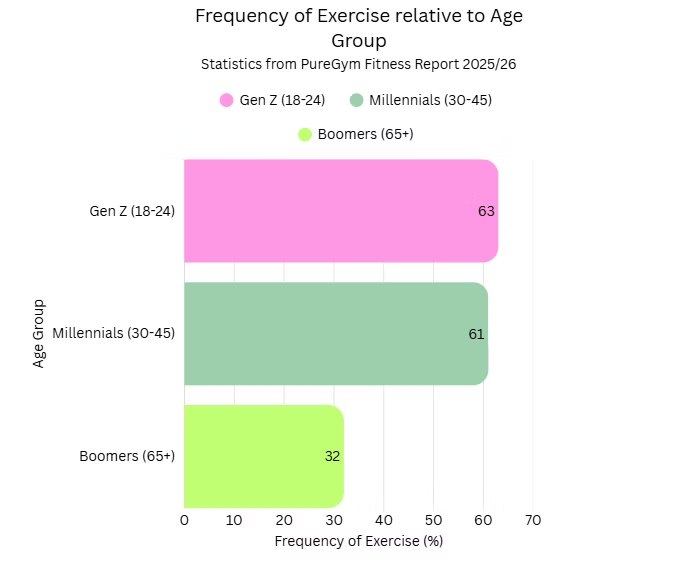
According to PureGym’s UK Fitness Report 2025/2026 (PureGym, 2025), Gen Z are now the nation’s most active group, with 63% of 18–24-year-olds exercising regularly—higher than any other age category. Millennials follow closely behind at 61%.
Subsequently, 54% of 25–34-year-olds report feeling physically healthy, making them the only group where a majority perceive their health positively.
So why the sudden health obsession amongst youngsters?
Gen Z ritualises social media and has never seen a life without these platforms. Social media platforms such as TikTok and Instagram are saturated with content promoting healthy eating, workout routines, and worships healthy lifestyles, driving youngsters into better habits.

Globally, this trend is accelerating. McKinsey’s Future of Wellness Trends Survey found that nearly 30% of Gen Z and millennials in the United States are prioritising wellness “a lot more” than the previous year.
However, this rise in fitness culture is not all rainbows and sunshine. Younger generations also report higher levels of burnout and poorer overall health. Increased exposure to wellness content may be creating unrealistic standards for younger people, adding extra pressure on them.
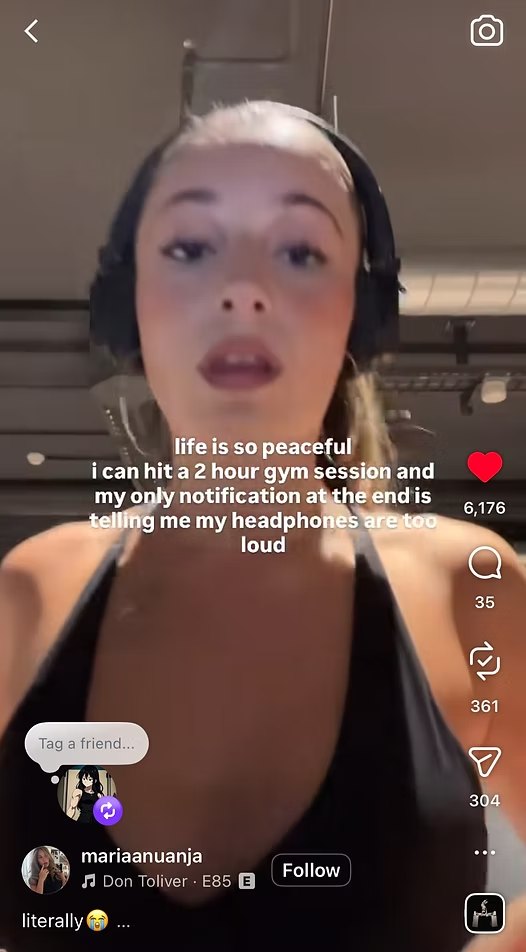
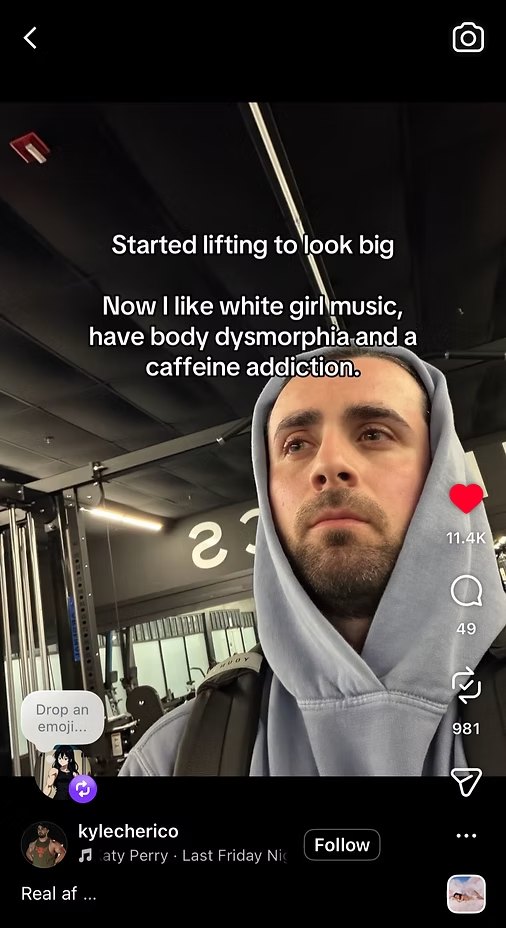
Influencers and online communities have welcomed beginners and been successfully collaborating with brands to create careers stemming from the fitness industry.
'My entire For You page is full of people weaponizing rest days and it makes me feel really guilty when I take a day off' says Zainab Bux, a 20 year old jujitsu athlete.
Ultimately, fitness is no longer just a hobby; it is fast becoming a defining feature of youth culture.
References
PureGym (2025) The UK Fitness Report – 2025/26 Gym Statistics. Available at: https://www.puregym.com/blog/uk-fitness-report-gym-statistics/ (Accessed: 26 March 2026).
Pione, A., Medalsy, J., Weaver, K., Callaghan, S. and Rickert, S. (2025) The $2 trillion global wellness market gets a millennial and Gen Z glow-up. McKinsey & Company. Available at: https://www.mckinsey.com/~/media/mckinsey/industries/consumer%20packaged%20goods/our%20insights/future%20of%20wellness%20trends/the-2-trillion-dollar-global-wellness-market-gets-a-millennial-and-gen-z-glow-up_final.pdf (Accessed: 26 March 2026).