Feature · Forma
“Safety isn’t seasonal”: the women’s-only run club created to keep women safe at night
Hundreds of women lit up Battersea Park for a free 5K, the final stop of a global movement built around running without fear after dark.
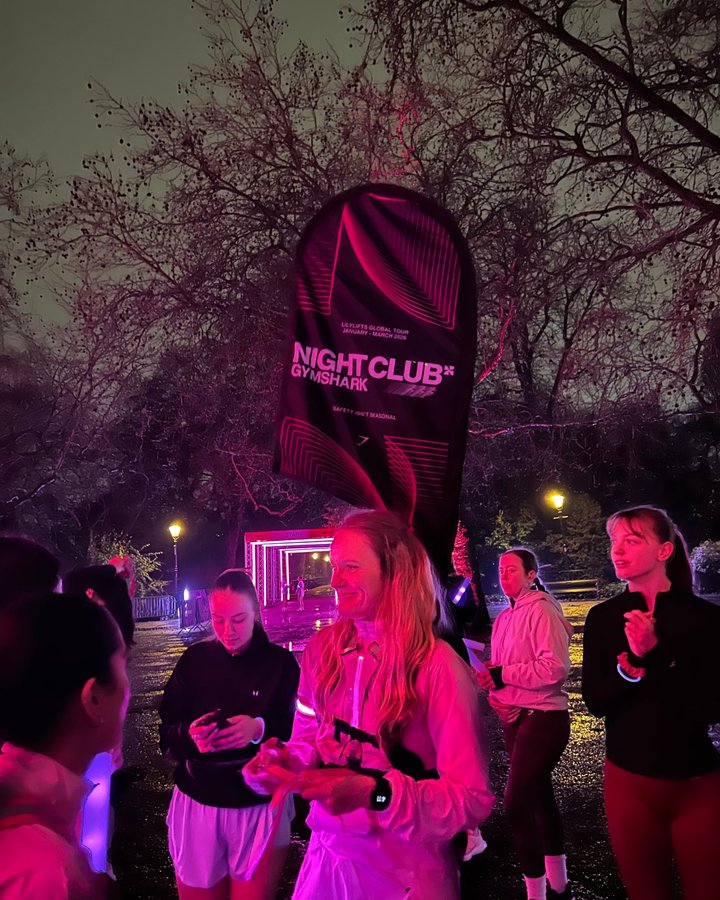
Pink LED batons cut through the crisp air of Battersea Park in London as hundreds of runners gathered at the Battersea bandstand for a communal 5k.
The park was pitch black, but in the distance, the run club could be seen illuminated by fluorescent pink lights.
Music echoed through the park, with many runners wearing the newly released pink running gear that launched earlier that week by Gymshark, a prominent fitness apparel brand.
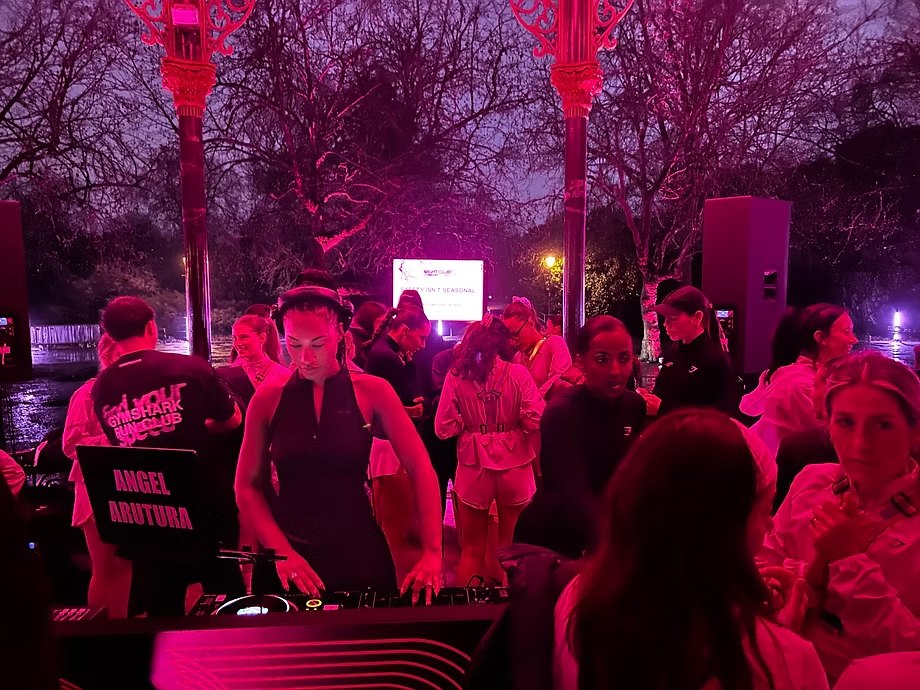
For many female athletes, running in the dark is something they usually avoided.
But tonight felt different.
This is ‘Night Club’ a global running movement created by fitness influencer Lily White to make women feel safer and confident running at night.
'I'd get cat-called as a 13-year old, running with my dad' said sportsperson Mary McCarthy, in a reel video on White's Instagram account @LilyLifts
The run club is free as White believes that women should not have to pay to run safely.
This club offers the opportunity for women to be in a space where they can run freely without fear of harassment.
What started out as a small group running around London has now sparked interest amongst hundreds of thousands of women globally.
The club has assisted women in reclaiming public spaces and running routes around the world.
Safety concerns are a familiar reality for many women who run outdoors.
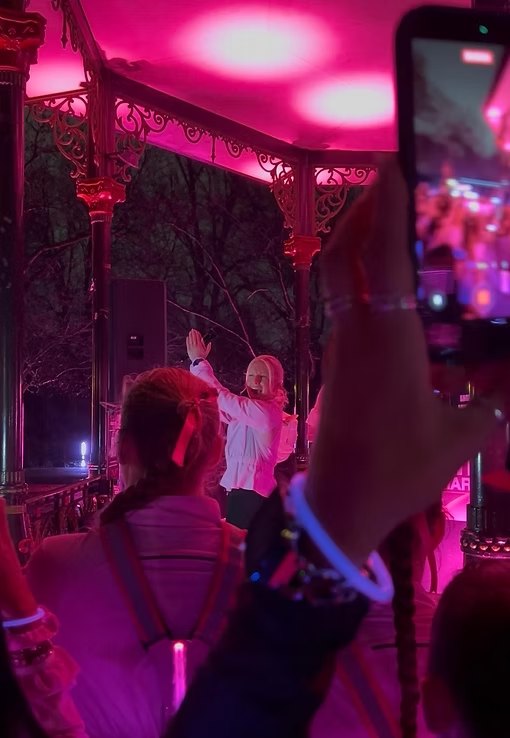
As the crowd warmed up before the 5K run at London, White stood at the front with a microphone, reminding the runners why events like this existed.
"If you've never been to the Night Club before, this is a very empowering, safe space where women can come together, run confidently in the dark, make friends, and connect," said White during a briefing before the run.
Elena Somes, an athlete who supported the event, walked around with a contagious smile, holding a bucket of LED light batons, sparkly hairspray and pink Gymshark scrunchies to disperse amongst participants shortly before the run.
'The best word you could use to describe the event, was electric, the colour pink, and the lights and the vibes were very cool' said Somes, who helped usher the event and provide support for participants.
'Night Club' garnered over 37,000 followers on Instagram since its launch in January 2025.
You could hear women uplifting each other and providing exceptional support, no matter how fast you could run.
'It was a really nice reminder that women deserve to take up space, feel confident, and support each other while doing it' said Abbie Shadrack, who attended the run club event.
Lily White made one final stop in London after her global tour of the 'Night Club' sponsored by Gymshark.
During White's Global tour, she travelled all over Europe and the United States.
The tour travelled through London, Manchester, Dublin, Amsterdam, Berlin, Barcelona, New York and Miami.
Despite cultural differences between cities, one message remained the same, women needed to feel safer and assured whilst running at night.
Each event followed the same theme- music, glowing accessories, and a 5km run with the intention to bring women together.
Mobile footage of 'Night Club' participants dancing at Battersea Park.
For many international participants, this event was a rare opportunity to have female runners all in one place, giving them the opportunity to build connection through running.
The 'Night club' began after Lily White felt unsafe running during the winter months when days became shorter.
In 2021, a Runners’ World survey (n=2,000 women) revealed that 60% of female runners had experienced harassment and 25% regularly experienced sexual abuse.
Greater Manchester Mayor, Andy Burnham also highlighted the issue in the regional Gender-based Abuse Strategy 2021.
‘No woman or girl should have to live in fear of going out, think about changing their normal route or whether to wear headphones or not. Women shouldn’t have to change what they do because of unacceptable behaviour by men’.
Her motto 'Safety isn't Seasonal' stemmed from this very idea, White heard stories from other women being catcalled, spat on and assaulted during their runs.
During winter months in particular, shorter daylight hours make it harder for people with full-time jobs to run while it is still light outside.
White says these concerns were the inspiration behind the Night Club concept.
“I spoke to female friends and family members who changed their running behaviours during the winter, or stopped running altogether” said White in an interview with BBC's Jumoké Fashola, "I was so frustrated, I had to do something about it"
Online running communities and forums are saturated with stories of women changing their routes, avoiding certain parks, or refusing to run after sunset.
The idea of a female running community quickly resonated online.
White first gained popularity online through her fitness content under the name @Lilylifts, where she shares authentic strength training and motivational posts with her growing audience of more than 1.3 million followers on Instagram.
But her content has increasingly focused on community rather than just fitness.
Through her platform, she began encouraging women to support each other in traditionally male-dominated fitness spaces, particularly outdoor running.
After completing the run, Lily White stood at the finish line cheering and high-fiving participants, and did not leave until every single person had crossed.
White's message was loud and clear, there is strength in numbers, and this event marked the beginning of women regaining hope for their safety at night.
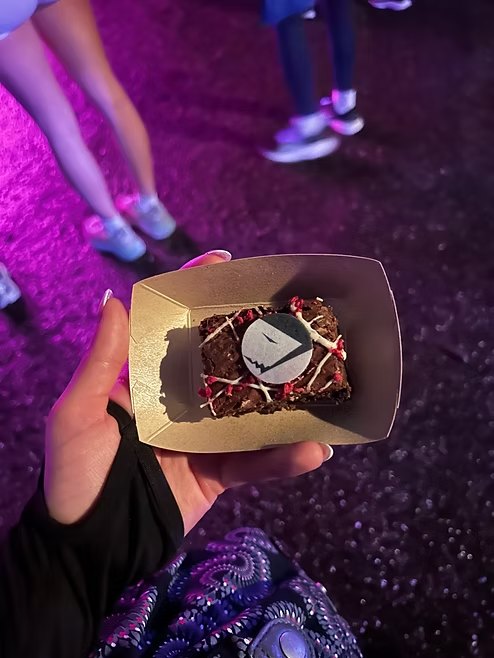
After the run, there were light refreshments, a cup of electrolytes and brownies.
As the music grew louder and pink lights illuminated the bandstand, the accomplished runners began dancing with joy.
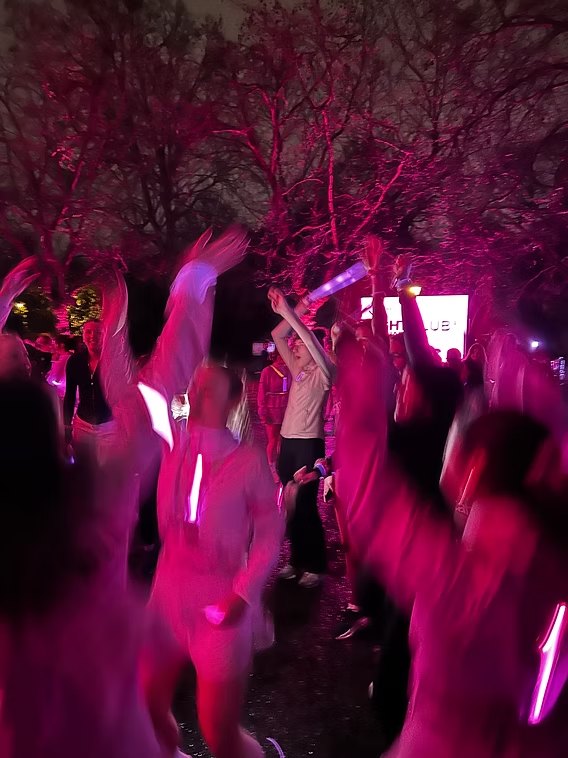
Many women stayed around after the run, dancing, laughing and exchanging contact details to keep in touch.
For many- it was more than exercise, it was a reminder that running could be empowering rather than intimidating.
References
Runners’ World / University of Manchester N8 Project, Briefing Report: Abuse of Women Runners (PDF).