Trend feature
How social media is affecting the fitness industry and athlete performance
Gen Z are swapping pints for protein shakes, and fitness creators, sponsors and social platforms are turning the gym into a social space.
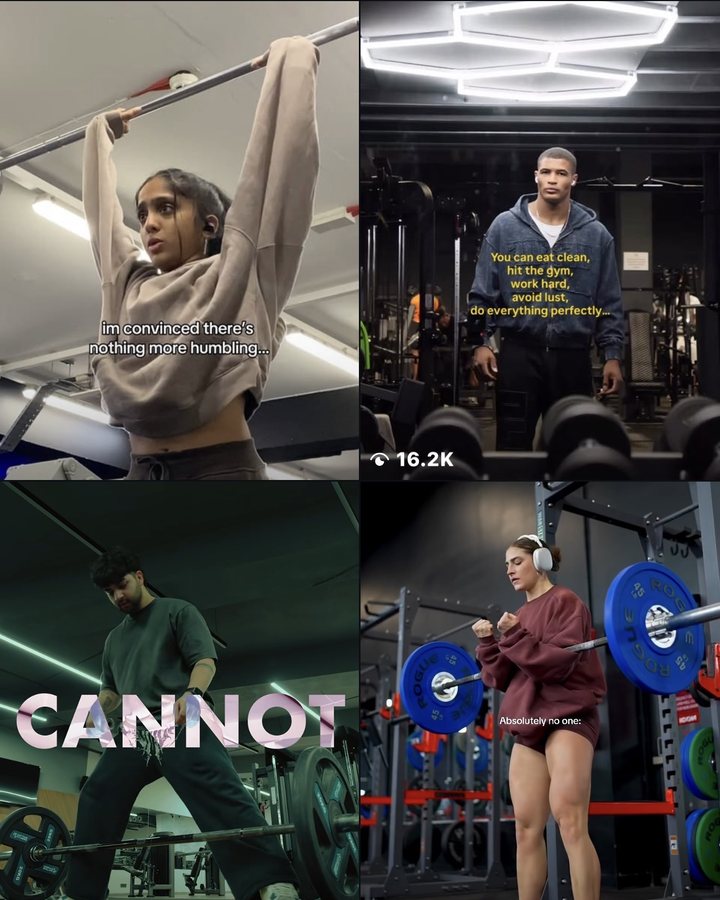
Generation Z have taken a giant leap into healthier lifestyles, with more youngsters making the switch from intoxicating pints to protein shakes. Several youngsters use social media to advance their fitness journeys through communities created on social media platforms such as Instagram, TikTok, and Twitch livestreams.
For many young people, healthy living has become a form of social activity, replacing traditional nights drinking and clubbing.
The nation’s most popular gym chain, PureGym, has stated that Gen Z are now the nation’s most active group. Statistics show that 63% of 18-24-year-olds are exercising regularly, followed by Millennials at 61%.
Gym culture has grown rapidly over the last few years, and has remained trending through fitness influencers and wellness focused content being promoted.
University student and Pro Athlete Marvin Usuanlele, 22, said that going to the gym is just as fun as going out, especially when you go with your friends.
‘You can listen to your own music and get better, rather than mess your body up’.
Fitness content creators have played a major role in promoting healthier habits for younger audiences. These influencers post daily gym vlogs, meal prep videos, gym challenges and motivational videos attracting millions of views. Livestreams on Twitch and short-form Instagram reels and TikTok videos allow for real-time interactions, building communities.
These communities have been able to secure funding by large scale fitness brands to invest into them, with sponsorships for run clubs, group classes, and marketing events.
Fitness influencer Lily White (@lilylifts) was able to create a women’s only run club event to promote safer running at night for women through her endorsement by Gymshark, a popular gymwear brand.
Pro Bodybuilder and Coach, Jacob Egbunike, 29, hopes to set realistic standards for young athletes.
‘I hope (younger people) gain an insight into what it takes to achieve their fitness goals especially in the realms of bodybuilding. The discipline it takes, and honestly, it’s also for me to hold myself accountable’
However, with the oversaturation of health advice being given by non-professionals online, fitness content online poses a threat of promoting misinformation. A lot of the information being posted online is contradictory and is not backed by scientific evidence.
Despite this, young people have found social media to be useful for motivation and connectivity. Posting online content can also be a useful way to hold people accountable for their fitness journeys.
Joel Inebode, 22, a Brighton based fitness content creator, states that he is ‘stimulating (the younger generation’s) minds to be creative and not consume’.
Social media has had a reputation for regressing young minds and ruining the dopamine receptors of users, but it seems to be shifting towards a more positive influence for youngsters.
As social media continues to influence lifestyles, younger people are being exposed to a more positive side of the online world, creating higher standards of living life to the fullest. Fitness spaces are no longer a space for solely exercise, but a preferable social space for Gen Z.